Digital receipts give banks additional sales impetus
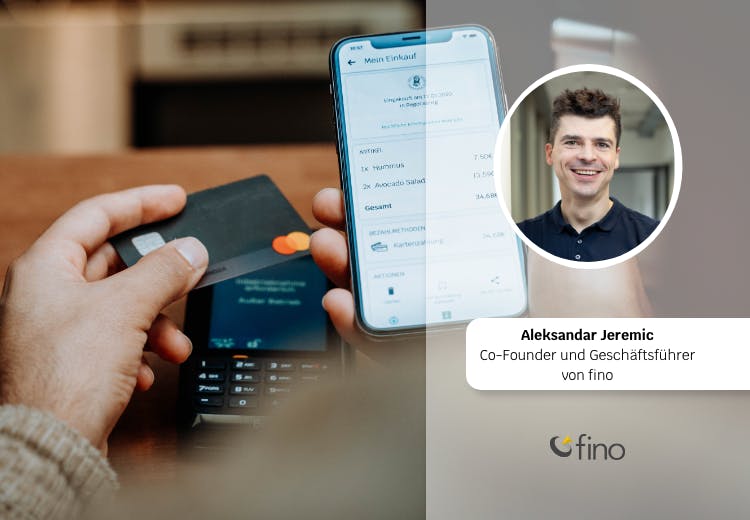
By Aleksandar Jeremic, co-founder and managing director of fino. “German banks cannot afford to rest on their laurels if they want to still be relevant in five years.” Bundesbank Executive Board member Burkhard Balz said this recently against the backdrop of growing competition from abroad. Banks are being called upon to integrate more attractive online services into their portfolio and to proactively present precisely tailored offers. With digital receipts and flexible data analysis, banks can do just that. Digital receipts are more than just an electronic version of tiresome expense slips. They contain data – for example on the issuer of the document, the time of purchase, the items bought and their prices including VAT, and the payment method. And they provide insight into electronic payments as well as cash payments, which until now have been almost impossible to trace. Because this information is available and recognized digitally, artificial intelligence can process it immediately. This, in turn, holds great potential that banks can tap into – with the help of innovative fintechs, comprehensively and starting today. More than just a financial services provider: In concrete terms, the targeted use of data enables banks to expand beyond their traditional role. They can offer customers and prospects services that receive receipts and organize them automatically. Algorithms take care of classifying and securely storing documents and make it easy to find and export specific receipts – for example for warranty claims or exchanges, for expense reports, or for tax returns. If banks give customers the option of linking their bank accounts to the application via a PSD2 interface, receipts can be matched to transactions. Combined with further services such as account analysis, customers receive a complete financial overview of all their purchases and expenses – and the chance to track their consumption behavior seamlessly and transparently. Banks benefit from up-to-date overviews that reflect each customer's life situation more accurately than ever before. They also automatically receive recommendations for action, enabling them to make personalized offers – for suitable financial products or services, for example – at the right time and through the right channel. Securing liquidity until the end of the month, reaching specific savings goals, or implementing complete financial planning? All of this becomes possible. At the same time, banks can use the information for customer risk assessments and offer installment loans. Additional services such as insurance or warranty extensions based on the receipt are equally conceivable. If these are easy to use – say, with a click or a tap in an app – banks can make their mark as early as onboarding. Individual business models with future potential: These and other use cases can be implemented simply and flexibly. Modular solutions allow individual combinations. Moreover, different ways of delivering the information – for example via a web-based dashboard, in the banking application, or as PDF files – enable implementation in the most diverse infrastructures. This gives banks of any size the opportunity to build business models that increase cross-selling and upselling while improving customer interaction and the customer experience – and stand out positively from the competition. This is how financial institutions can secure the relevance Burkhard Balz was referring to. After all, the next generations of customers expect services like these that make their day-to-day lives easier. They already use them as a matter of course in a wide range of areas with Apple, Amazon, and Google. But banks need not lag behind these giants in their core competencies if they work with fintechs and play to their strengths in a targeted way. Shop the future!
Weitere Blogbeiträge