The future of retail: how QR codes and digital receipts are revolutionizing the industry

In a world where digitalization and efficiency are becoming ever more important, retail is on the brink of a profound transformation. QR codes and digital receipts are fundamentally changing the way we shop and pay. These technologies promise not only optimized business processes but also an improved shopping experience for customers.
The rise of QR codes in retail
QR codes, originally developed for the automotive industry, have enjoyed a renaissance in recent years. In retail, they offer a wide range of applications:
- Faster checkout processes: A single scan can capture the entire shopping basket, drastically reducing waiting times.
- Product information on demand: Customers can access detailed product information simply by scanning the QR code.
- Contactless payment: Combined with mobile payment systems, QR codes enable hygienic and fast transactions.
Digital receipts: more than just saving paper
Parallel to the rise of QR codes, digital receipts are becoming increasingly important. They offer several advantages over their paper-based predecessors:
- Environmentally friendly: By reducing paper consumption, digital receipts make an important contribution to protecting the environment.
- Better data management: Customers can easily archive and organize their purchases digitally.
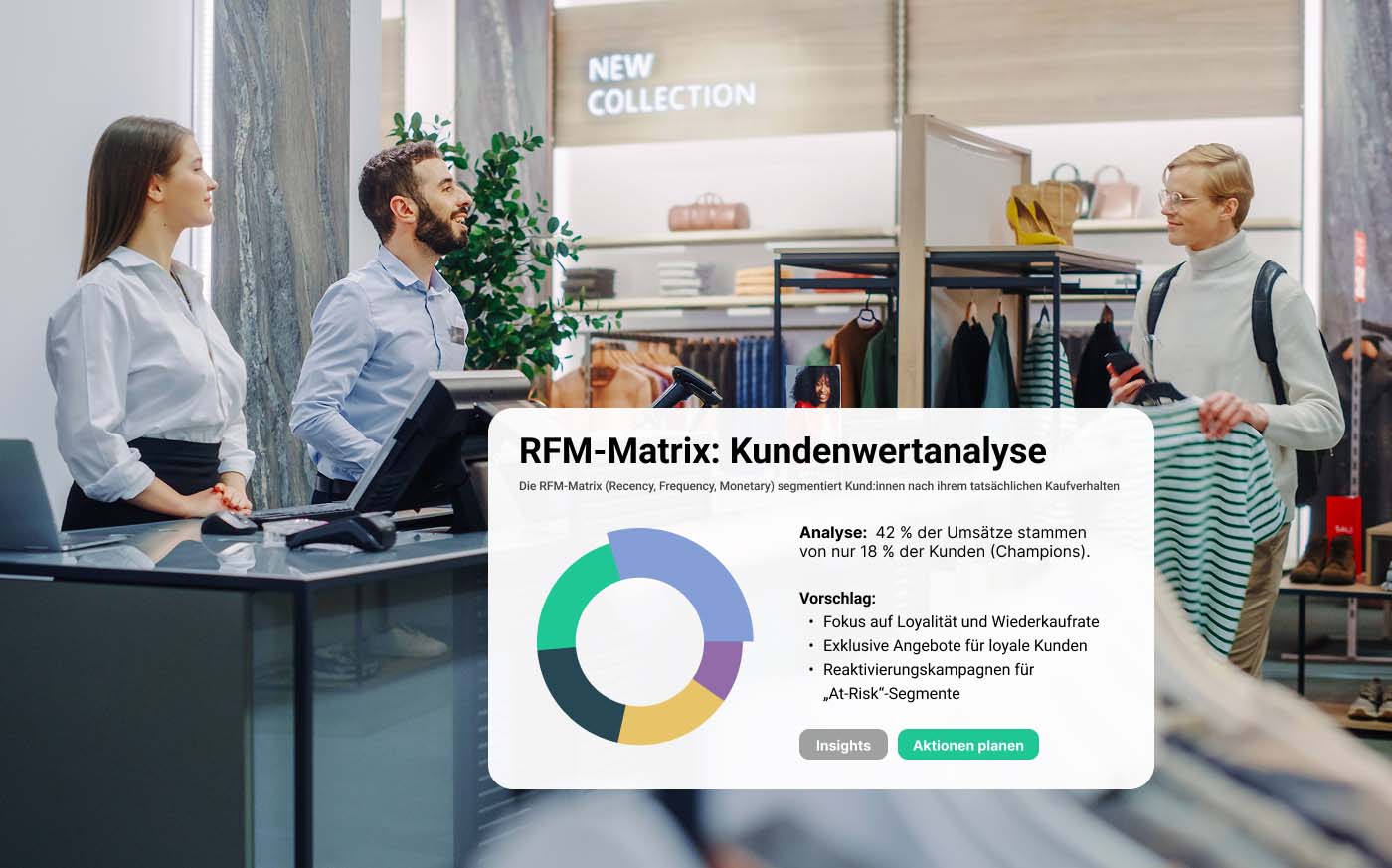
- Personalized marketing opportunities: Retailers can create targeted offers based on customers' purchasing behavior.
Challenges and solutions
Despite the obvious benefits, retailers face several challenges when implementing these technologies:
- Investment costs: Switching to new systems requires an initial financial outlay. Solution: A phased rollout and the use of cloud-based solutions can spread the costs.
- Customer education: Not all customers are familiar with the new technologies. Solution: Training and clear instructions at the point of sale can help break down barriers.
- Data privacy: Collecting customer data requires special care. Solution: Transparent privacy policies and secure encryption technologies are essential.
Integrating QR codes and digital receipts
Combining QR codes and digital receipts opens up new possibilities for a seamless shopping experience:
- Direct transfer: After the QR code is scanned at the checkout, the digital receipt is automatically sent to the customer's smartphone.
- Loyalty programs: QR codes on digital receipts can lead directly to personalized offers or loyalty points.
- Traceability: Products can easily be traced back via QR codes on the receipt – particularly relevant for food or electronics.
Outlook
The integration of QR codes and digital receipts is just the beginning. Experts expect these technologies to pave the way for further innovations:
- Augmented reality shopping experiences: In the future, QR codes could unlock AR content with additional product information or virtual try-ons.
- Blockchain-based transactions: For added security and transparency, transactions and digital receipts could be stored in blockchain networks.
- AI-powered shopping assistants: Based on the data from digital receipts, AI systems could provide personalized shopping recommendations.
Conclusion
The introduction of QR codes and digital receipts marks a turning point for retail. These technologies offer not only efficiency gains and cost savings for retailers but also an improved, personalized shopping experience for customers. While implementation brings challenges, the long-term benefits clearly outweigh them. Retailers that adopt these technologies early will position themselves at the forefront of a fast-moving market.
Weitere Blogbeiträge