Digital receipts: 44% want a banking or retailer app
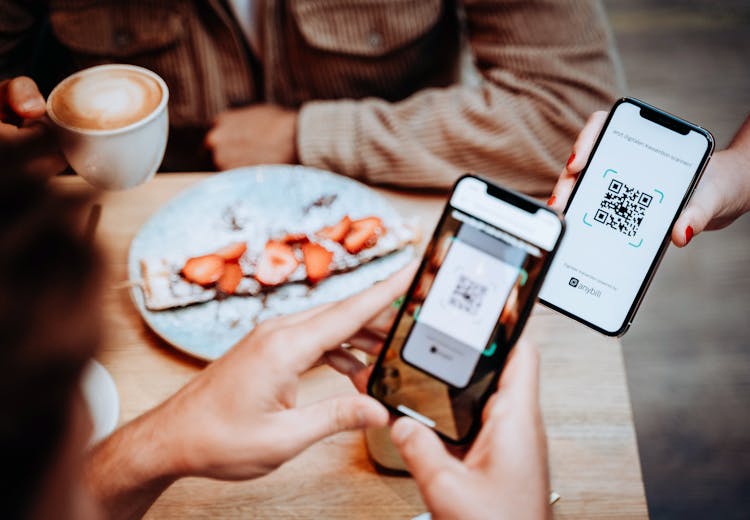
Saving paper, benefiting from smart added value, and even saving time at the checkout. This and many more advantages are what anybill's vision promises: establishing digital receipts in retail and thus creating a modern digital touchpoint between retailers and consumers. anybill is getting ever closer to this goal. The POS provider infrastructure is being expanded continuously, and integrations into POS systems are progressing smoothly. The infrastructure for digital receipts in the DACH region is growing, and nothing now stands in the way of the sustainable alternative to paper receipt chaos. Yet anybill's goal is not only to equip retailers and restaurateurs as well as POS providers and payment service providers with modern technology for digital receipt delivery – consumers, too, should benefit from the smart added value of this digital touchpoint in brick-and-mortar retail. Customer and user feedback is central to anybill and is regularly factored into product planning. anybill pursues the vision of a digital shopping companion and a collection technology for digital receipts, with smart added value for accounting, finances, and shopping experiences. In doing so, anybill aims to create a trustworthy and secure home for the “finance & banking” world. Digital receipts – not just for the anybill app: anybill is not limited to its own purpose-built anybill app; the technology can also be transferred to existing apps. anybill offers its digital receipt technology, including smart additional functions, as a software development kit (SDK). This SDK can easily be integrated into existing retailer apps or banking apps. In addition, anybill can provide all functions of the anybill app modularly for an app in the form of a white label app. With both the SDK and the white label variant, the individual functions of the anybill technology can be implemented modularly and entirely according to individual requirements. For retailers with an existing retailer app, this means they can use all of anybill's functions in their own app via the provided SDK. For consumers to receive a retailer's digital receipts in the retailer app, they only need to consent once in the app to digital receipt delivery via the retailer app and the anybill integration. From then on, customers can receive the retailer's own receipts directly and digitally in the app. Beyond integrating digital receipt delivery, anybill also offers integration in the retailer's corporate design. The additional digital receipt feature thus becomes part of the retailer app without any change to the user interface. This gives retailers the opportunity to offer a smart additional feature in their own app and to establish an environmentally friendly solution for the receipt mandate (Bonpflicht). Alongside implementation in existing retailer apps, the same seamless integration is also possible for banking apps. The anybill editorial team asked itself whether consumers prefer to use digital receipts via an additional external app, such as anybill's multi-partner app, or via a retailer or banking app they already know. As with the preferred registration option and the preferred way of receiving receipts, anybill asked its communities on social media (LinkedIn, Instagram, and Twitter): digital receipts in an additional app or in a banking/retailer app? The result shows an almost 50/50 split, and yet a trend toward anybill's multi-partner app: 56% said they would like to receive digital receipts via the anybill app, while 44% chose the familiar banking/retailer app. anybill assumes this result comes down to the different advantages – and occasional disadvantages – of the two app options. Advantages and disadvantages of the different app approaches: Integration into a banking app or retailer app has one decisive advantage: consumers are already familiar with their banking app and the bank behind it, and they place a great deal of trust in it. The same argument applies to the retailer app: those who always shop at the same supermarket build a strong bond with the retailer and therefore also trust its app product. It only becomes difficult when consumers want to receive digital receipts from other retailers as well, since a retailer-specific app cannot be used at other retailers. The banking app alternative, by contrast, is retailer-independent, but still more limited – for example, when consumers want to view several bank accounts from different banks in a single app. The anybill app, on the other hand, is independent of both retailers and banks. This means the anybill app can collect all digital receipts from different retailers – hence “multi-partner app” – while also linking several bank accounts from different banks in one financial overview. Another plus for the anybill app is the ability to use all additional features, which are also available for retailer and banking apps but first have to be added modularly by the respective retailers and banks. The fact is: whether anybill app, retailer app, or banking app – consumers in retail have several options for how they receive digital receipts with anybill and which smart added value they want to benefit from. anybill believes in flexible app usage and focuses on working with the key players in retail and banking.
Weitere Blogbeiträge